Prescription oxycodone
Prescription oxycodone isn’t just another painkiller
it’s a strong opioid that doctors in the UK rely on when nothing else cuts it. If someone’s dealing with severe pain, like after major surgery, a serious injury, or cancer, oxycodone often comes into play. You can’t just grab it off a shelf; it’s a Class A controlled drug, so it’s only available with a prescription.
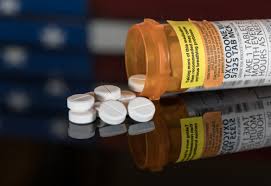
Mostly, people take oxycodone as tablets or capsules, though liquid versions exist for anyone who struggles with swallowing pills. There are two main types: immediate-release pills (brands like Shortec, OxyNorm, Lynlor, plus generics) kick in fast and last about 4 to 6 hours. Then there are prolonged-release ones, such as OxyContin or Longtec, which do their thing for about 12 hours so you don’t have to keep popping pills.
The range of doses is pretty wide Prescription oxycodone
— you might see anything from 5mg to 80mg with the prolonged-release tablets. Doctors tend to stick with specific brands to avoid mix-ups between these types, which is honestly smart because it can get confusing.
Oxycodone’s main job is to help with tough pain:
after operations, following injuries, dealing with cancer, or certain chronic pain conditions when other options just don’t work. But it isn’t meant for mild aches or everyday long-term pain, unless there’s a really good reason and other treatments aren’t enough. NHS advice is clear: use the lowest dose, for the shortest time possible. And because oxycodone can lead to dependence and cause some serious side effects, doctors keep a close eye on anyone taking it.